Mon–Sat | 8AM–7PM

skillsee.pro

Balcony waterproofing

Balcony Inspection & Repair per SB-721 (California Law)

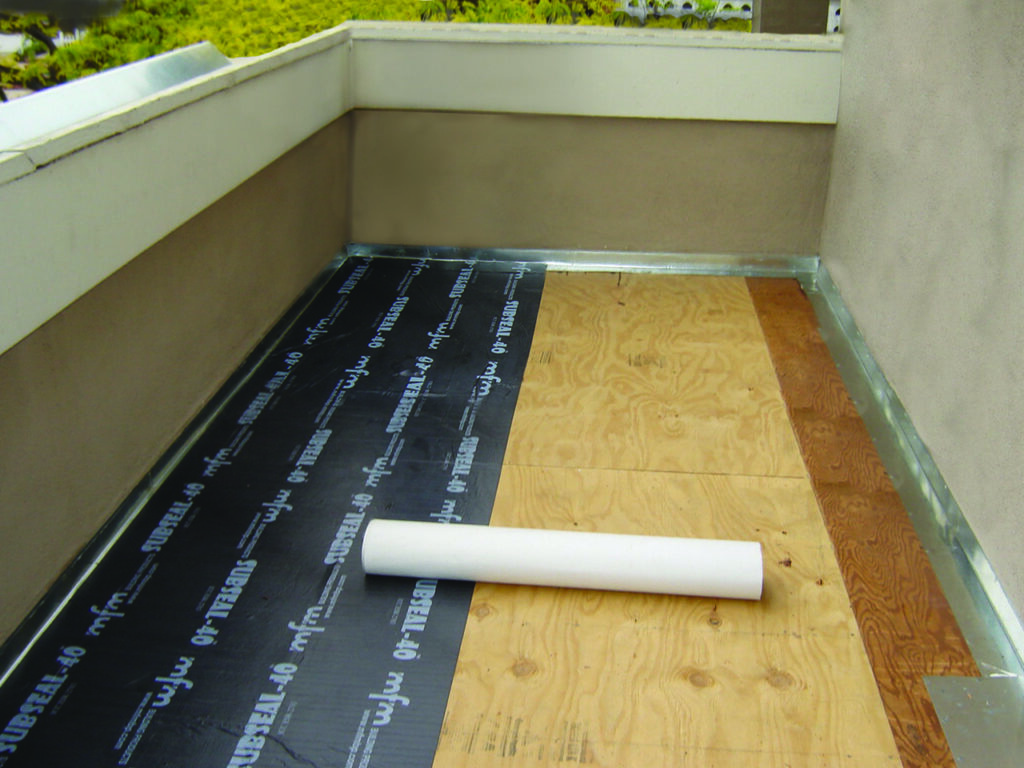
Balcony Inspection & Repair per SB-721 (California Law) SkillSee — Licensed General Contractor (Class B), Los Angeles, CA In January 2025, California officially entered a new era of building safety. The deadlines for mandatory balcony inspections under SB-721 and SB-326 have passed, and enforcement is now tightening across cities and counties. If your property includes balconies, walkways, decks, stair landings, or any elevated exterior structure supported by wood and located more than 6 feet above ground, you are legally required to complete an official inspection and, if needed, repair any unsafe conditions. This page explains everything you need to know as a property owner — including legal requirements, penalties for non-compliance, inspection timelines, repair expectations, and why working with SkillSee gives you maximum safety, compliance, and peace of mind. 1. What Is SB-721? (Official Law Link) Official text: California SB-721 Bill Text SB-721 is a California state law adopted after the tragic Berkeley balcony collapse in 2015, which resulted in 6 deaths and major lawsuits. The purpose of the law is to ensure the safety of Exterior Elevated Elements (EEE) — any exterior structure that: is more than 6 feet above ground, is designed to be occupied or walked on, relies on wood or wood-based components for structural support. These elements include: Balconies Decks Elevated walkways Landings Staircase platforms Exterior corridors Any external structure supporting live loads SB-721 applies specifically to multi-family buildings with 3 or more units (triplex, four-plex, 6-unit, 10-unit, 20-unit buildings, etc.) that are rented to tenants. 2. What Is SB-326? (Official Law Link) Official text: California SB-326 Bill Text SB-326 applies to Homeowners Associations (HOAs) and condominium buildings. The requirements are similar to SB-721, but the inspection can only be performed by: Licensed Structural Engineers (SE) Licensed Civil Engineers (PE) Licensed Architects Unlike SB-721, general contractors cannot conduct the inspection for HOAs — but they can (and must) complete all the repairs identified by the engineer. 3. Deadlines — Why Most Properties Are Now Out of Compliance Both laws required the first inspection to be completed by January 1, 2025. Today, most properties in California are now officially out of compliance. Cities have begun issuing: Violation notices Fines and penalties Pressure from code enforcement Restrictions on renting unsafe units Requirements to immediately repair hazardous conditions This is why now is the most critical time to complete your inspection and repair any unsafe components with a qualified contractor like SkillSee. 4. Penalties and Fines for Not Complying With SB-721 / SB-326 Penalties Under SB-721 (Rental Buildings) SB-721 enforcement is codified in the California Health & Safety Code § 17973: HSC §17973 Failure to comply can lead to: Civil penalties up to $500 per day until the violation is corrected “Unsafe” or “substandard” property designation City-ordered emergency repairs Inability to rent units until issues are fixed Major liability in case of injury or structural failure Penalties Under SB-326 (HOA) HOAs that fail to comply may face: Lawsuits from unit owners Special assessments for emergency work Loss of insurance coverage or increased premiums Personal liability for HOA board members Fines and enforcement actions from local jurisdictions 5. Why This Law Exists — Real Risks: Collapse, Rot, Structural Failure The law was created after multiple collapses in California caused by hidden wood deterioration. Without inspection, moisture penetrates the waterproofing layer and damages: Joists Beams Ledger boards Cantilever supports Waterproof membranes Fasteners and connectors This leads to: Balcony failure Partial or full collapse Serious injuries Deaths Multi-million dollar lawsuits A major court case after the Berkeley collapse resulted in tens of millions of dollars in settlements and destroyed property owner reputations. Waiting is not an option — California courts increasingly treat balcony failures as gross negligence if no inspection was performed. 6. Who Must Get an Inspection (SB-721 Scope) SB-721 applies to: Apartment buildings with 3 or more units Mixed-use buildings with residential units Rental buildings of any size (3+ units) SB-721 does not apply to: Single-family homes Duplexes Commercial properties without residential units If your building has a balcony or exterior elevated elements over 6 ft — and is rented to tenants — you are legally required to comply. 7. What an SB-721 Inspection Includes A qualified inspector must evaluate the following: Structural Integrity of Wood Components Checking for rot, fungal decay, moisture penetration, termite damage, and corrosion of fasteners. Condition of Waterproofing and Flashing Failures in waterproofing and flashing are responsible for the majority of balcony damage. Load-Bearing Capacity Ensuring the structure supports the designed live loads safely. Visible and Concealed Damage Inspection may include moisture meters, borescopes, and partial openings of finishes to view concealed elements. Safety and Code Compliance Evaluating guardrails, connections, clearances, and fire-safety related items. The final deliverable is a signed inspection report, which must be kept for at least two inspection cycles (12 years). 8. Who Can Perform SB-721 Inspections? According to the law, inspections may be performed by: Licensed General Contractors (Class B) – allowed only if they are NOT the building owner Licensed Civil Engineers Licensed Structural Engineers Licensed Architects SkillSee is a licensed General B contractor and is fully authorized to conduct inspections for SB-721 rental properties in California. For SB-326 (HOA), inspections are performed by our partnered licensed engineers, and SkillSee provides the full repair and waterproofing scope after the engineer’s report. 9. SkillSee’s Full-Cycle Balcony Safety Program For SB-721 (Rental Buildings) We perform the full inspection ourselves. As licensed General B contractors, we provide: On-site structural inspection of balconies and elevated elements Moisture detection and condition assessment Waterproofing and flashing evaluation Safety and code-compliance review Full written report with recommendations Photographic documentation of all findings Priority scheduling for repair work This allows property owners to complete everything in one place — quickly, legally, and efficiently. For SB-326 (HOA Buildings) We coordinate state-licensed engineers and perform all required repairs. SkillSee works with verified Structural and Civil Engineers who prepare: Balcony inspection reports for HOAs Integration with reserve studies Repair recommendations and scope of work Compliance documentation for the association

Balcony Inspection & Repair per SB-721 (California Law) Read More »
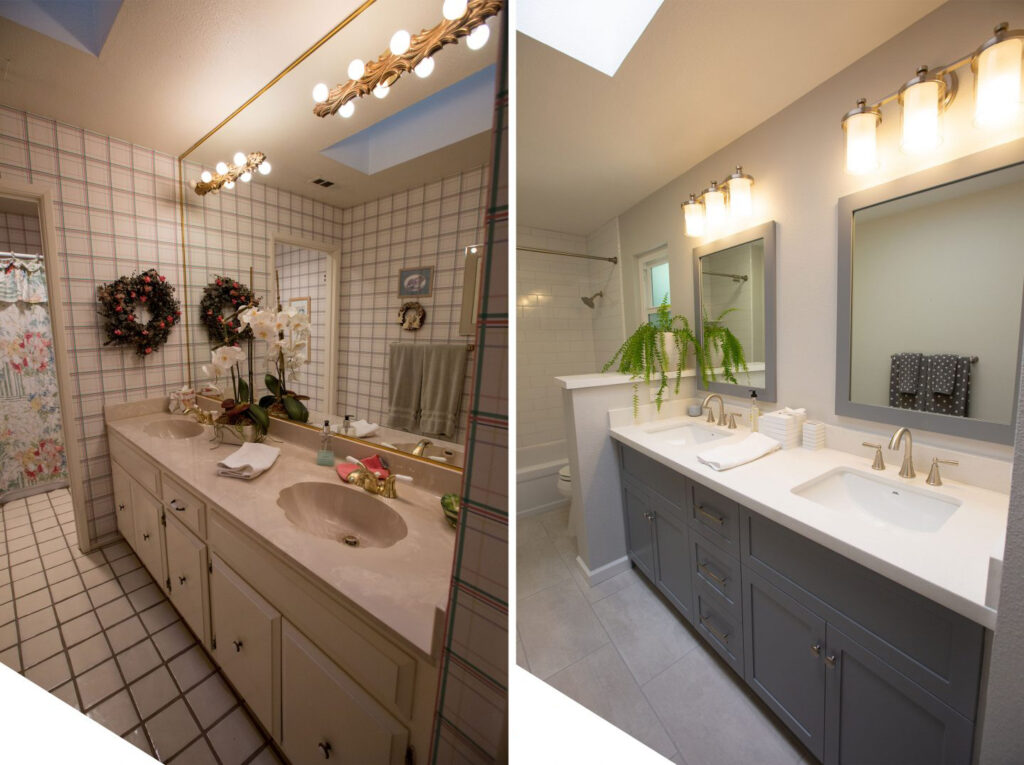
See how we transformed an outdated bathroom into a sleek modern space. Free 3D design, transparent pricing, and professional licensed team in California.

Modern Bathroom Remodel – Before & After Transformation With Free 3D Design

Professional Renovation and Construction Services in California SkillSee is a team of experienced, dependable professionals helping clients across California transform their homes or build from the ground up. Our core focus is kitchen and bathroom remodeling, along with full-cycle new construction — from planning and permitting to final finishes. Our approach combines modern design, practical functionality, and precision engineering. Why Clients Choose SkillSee Licensed and Insured Experts: We operate with full legal and technical accountability, ensuring peace of mind for every client. Comprehensive Service: You choose the style — we handle the rest. From permits to final touches, we manage everything in-house. Advanced Technologies: We work with Light Gauge Steel (LGS), energy-efficient materials, and proven structural systems. Client-Focused Approach: We build lasting relationships through transparency, reliability, and attention to detail. Our Core Specializations Kitchen and Bathroom Remodeling This is our specialty. We upgrade outdated spaces into modern, functional areas with beautiful finishes, smart layouts, and optimized comfort. New Home Construction and Additions We handle projects from the ground up — including design, structural work, and full interior finishes. We build using traditional and LGS framing systems. ADU Construction We design and build Accessory Dwelling Units — guest houses, rental units, or additional living space — handling permits, planning, and turnkey construction. Light Gauge Steel Framing (LGS) LGS is the future of construction: fast, strong, and durable. Perfect for single-family homes, additions, or modern modular builds. What Sets Us Apart? At SkillSee, we eliminate the stress from construction. We don’t just build or remodel — we manage the full process: planning, permits, sourcing, team coordination, and quality control. You approve the design — we handle everything else. Ready to Get Started? Trust the SkillSee team to remodel or build your space with intelligence, care, and commitment — delivered on time and on budget. Request a Free Estimate

Modern Bathroom Remodel – Before & After Transformation With Free 3D Design Read More »

LGS vs Wood Framing: Pros and Cons Compared

LGS vs Wood Framing: Pros and Cons Compared

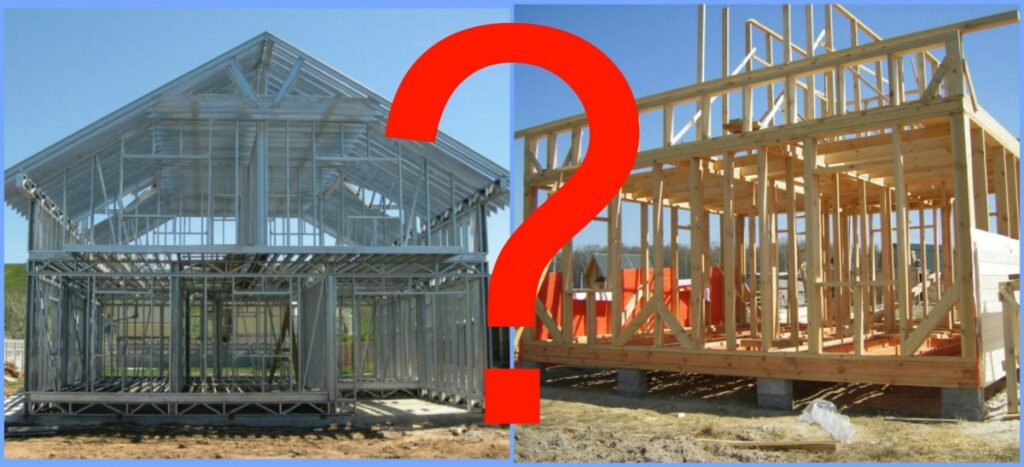
When planning a new construction project — whether it’s a house, ADU, or commercial building — one of the first decisions you’ll face is the choice of framing material: Light Gauge Steel (LGS) or traditional wood framing. Both systems have their strengths and weaknesses. In this article, we’ll break down the key differences between LGS and wood framing so you can make an informed decision based on cost, durability, speed, and long-term value. Basic Overview Wood framing has been the dominant method for residential construction in the U.S. for over a century. It’s accessible, familiar, and widely supported by the labor market. LGS (Light Gauge Steel) is a modern alternative that uses cold-formed, galvanized steel profiles. It’s popular in Europe, Asia, and increasingly in California due to its precision and fire resistance. Comparison Table: LGS vs Wood Framing Feature LGS Framing Wood Framing Fire Resistance ✓ Non-combustible ✗ Flammable Pest Resistance ✓ Immune to termites, mold ✗ Susceptible to rot and insects Environmental Impact ✓ Recyclable, no deforestation ✗ Depends on tree harvesting Weight ✓ Lightweight ✓ Lightweight Installation Speed ✓ Fast with prefab kits ✓ Fast with standard crews Labor Availability ✗ Requires trained teams ✓ Widely available carpenters Cost (Initial) ✗ Typically higher ✓ Lower upfront Long-Term Durability ✓ Excellent (doesn’t warp) ✗ Can degrade over time When to Choose LGS Framing You’re building in a fire-prone or humid area (e.g. California hillsides or coastal zones) You want precision and minimal on-site waste You plan to use prefabricated components to speed up construction You need higher structural integrity for multi-story or modular builds When Wood Framing Still Makes Sense You’re working with a tight budget and standard residential layout You have access to a skilled local crew familiar with wood framing You’re building in a dry climate with low fire and pest risk You prefer natural materials and traditional methods SkillSee Helps You Choose and Build with Confidence At SkillSee, we work with both LGS and wood, helping our clients choose the best framing system for their specific needs, site, and budget. We design, engineer, and install custom framing systems across California — from ADUs and garages to full-scale homes — using licensed professionals and durable materials. Request a Free Consultation Final Thoughts There’s no one-size-fits-all answer. LGS offers superior durability, safety, and precision, while wood remains a cost-effective and familiar choice. The best decision depends on your goals, location, and long-term expectations. Contact SkillSee to get expert advice and a custom estimate for your next building project — whether you choose steel, wood, or a smart hybrid approach.

LGS vs Wood Framing: Pros and Cons Compared Read More »

What Is LGS (Light Gauge Steel) and Why It’s the Future of Low-Rise Construction

What Is LGS (Light Gauge Steel) and Why It’s the Future of Low-Rise Construction

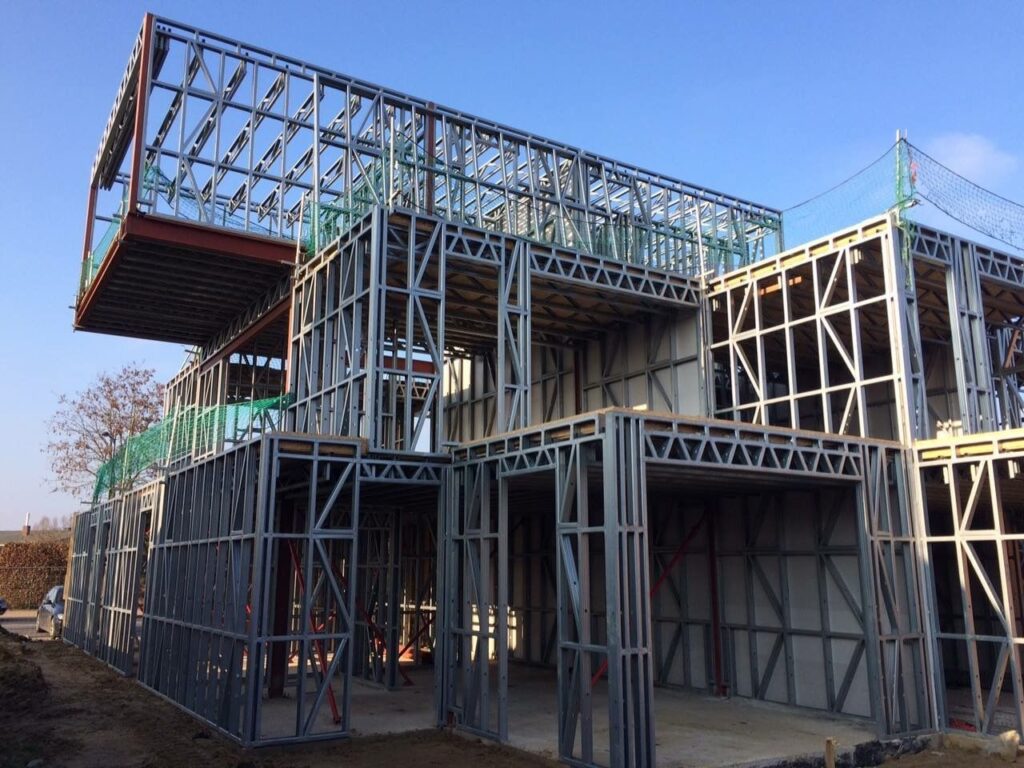
In today’s construction industry, the demand for faster, stronger, and more sustainable building solutions continues to grow. One technology that stands out is LGS — Light Gauge Steel framing. Already popular in Europe, Canada, and Asia, LGS is now gaining ground in the U.S. as a smart alternative to traditional wood framing. In this article, we’ll explain what LGS is, how it compares to wood and concrete, and why it’s increasingly seen as the future of low-rise residential and commercial construction. What Is Light Gauge Steel (LGS)? Light Gauge Steel refers to cold-formed galvanized steel profiles that are manufactured in precise dimensions and assembled into structural frames. These steel studs, tracks, and joists are used to build everything from walls and floors to trusses and entire homes. LGS framing is lightweight, non-combustible, and dimensionally stable — making it ideal for single-family homes, ADUs, townhouses, and light commercial buildings. How LGS Compares to Traditional Materials Feature LGS Framing Wood Framing Concrete Weight ✓ Lightweight ✓ Moderate ✗ Heavy Precision ✓ High (machine-made) ✗ Varies (manual) ✓ High (precast) Fire Resistance ✓ Non-combustible ✗ Flammable ✓ Excellent Durability ✓ Resistant to pests & mold ✗ Vulnerable to termites, rot ✓ Long lifespan Speed of Construction ✓ Fast & clean ✗ Moderate ✗ Slow Sustainability ✓ Recyclable & eco-friendly ✗ Requires deforestation ✗ High carbon footprint Key Advantages of LGS Construction Speed: Prefabricated frames reduce on-site labor and construction time. Strength-to-weight ratio: LGS supports multi-story loads without bulk. Fire & moisture resistance: Ideal for areas prone to wildfire or humidity. Design flexibility: Perfect for custom homes, modern designs, and modular builds. Lower long-term costs: Less maintenance, fewer structural issues. Why It’s the Future of Low-Rise Construction As urban land becomes more expensive and building codes get stricter, developers and homeowners need solutions that offer efficiency, compliance, and quality. LGS answers all three — and more: Meets seismic and wind resistance codes in California Reduces waste on-site through precise prefabrication Supports energy-efficient designs and green certifications Works well for Accessory Dwelling Units (ADUs), small homes, and additions SkillSee: Pioneering LGS Framing in California At SkillSee, we bring European precision and innovation to California’s construction market. Our team designs, manufactures, and assembles LGS-framed structures tailored to your project — from ADUs and homes to commercial spaces. If you’re looking for a faster, stronger, and smarter way to build, SkillSee is ready to lead your project into the future. Request a Free Consultation Final Thoughts Light Gauge Steel framing isn’t just a trend — it’s a breakthrough. For anyone building in California, especially in earthquake-prone, fire-risk, or space-constrained areas, LGS offers a smarter path forward. Contact SkillSee today to explore how we can bring your LGS project to life — with speed, safety, and style.

What Is LGS (Light Gauge Steel) and Why It’s the Future of Low-Rise Construction Read More »

How to Choose Bathroom Tile — Practical Tips for Homeowners

How to Choose Bathroom Tile — Practical Tips for Homeowners.

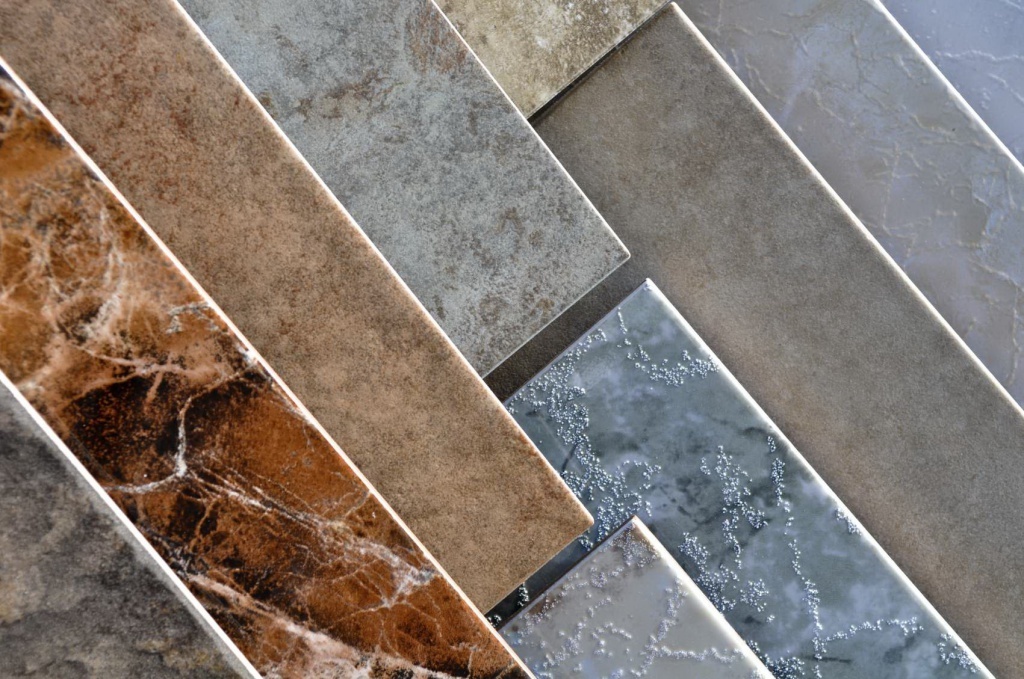
Choosing tile for your bathroom may seem simple — until you’re faced with hundreds of options in size, shape, finish, and color. From slip resistance to style, every detail matters, especially in a space exposed to constant moisture. In this guide, we’ll cover the most important factors to consider when selecting bathroom tile, including materials, finishes, safety, and layout strategies. Whether you’re remodeling a powder room or master bath, these tips will help you make confident, practical decisions. 1. Know the Tile Types Bathroom tiles come in many materials, each with pros and cons depending on where it’s used — floor, shower, or wall. Material Best For Pros Cons Porcelain Floor & Shower Durable, waterproof, low maintenance Heavier, harder to cut Ceramic Walls Affordable, lightweight, easy to install Less durable than porcelain Natural Stone Floors, luxury accents Elegant, unique look Needs sealing, more expensive Glass Tile Accent walls Reflective, modern aesthetic Slippery, prone to scratches 2. Prioritize Slip Resistance for Floors For bathroom floors — especially in the shower area — choose tiles with a matte or textured surface and a high slip resistance rating (look for DCOF ≥ 0.42 in the U.S.). Glossy finishes may look elegant but are hazardous when wet. 3. Choose the Right Size and Pattern Large tiles (e.g., 12×24 inches) make small bathrooms appear more spacious and require fewer grout lines, which means easier cleaning. Mosaic tiles, while beautiful, are better for accent areas or curved surfaces due to more complex installation and maintenance. For visual harmony, keep grout lines consistent and consider rectified tiles for tighter seams. 4. Color and Light: Brighten the Space Light colors such as white, beige, or soft gray help make a small or windowless bathroom feel open and clean. Dark tiles can add drama but should be balanced with lighter accents or good lighting. Tip: Use the same color tile on the floor and shower walls to visually expand the space. 5. Maintenance and Cleaning Choose tiles that are easy to clean and stain-resistant. For grout, consider using epoxy grout instead of cement-based grout — it’s more durable, water-resistant, and won’t discolor as quickly. 6. Plan with a Professional Even the best tile choice can disappoint if not installed properly. Consulting with a licensed contractor will help avoid layout mistakes, material waste, and waterproofing failures. At SkillSee, we help you choose tile based on both functionality and style, then install it to perfection — whether it’s a full remodel or a simple upgrade. Request a Free Estimate Final Thoughts Tile plays a huge role in your bathroom’s safety, comfort, and look. Make sure you choose based on more than just color — and let experts guide you through materials, layout, and installation for a flawless result. SkillSee is ready to help you bring your bathroom vision to life with practical solutions and beautiful design.

How to Choose Bathroom Tile — Practical Tips for Homeowners. Read More »

Bathroom renovation

Shower or Bathtub: What’s Better for a Small Bathroom?

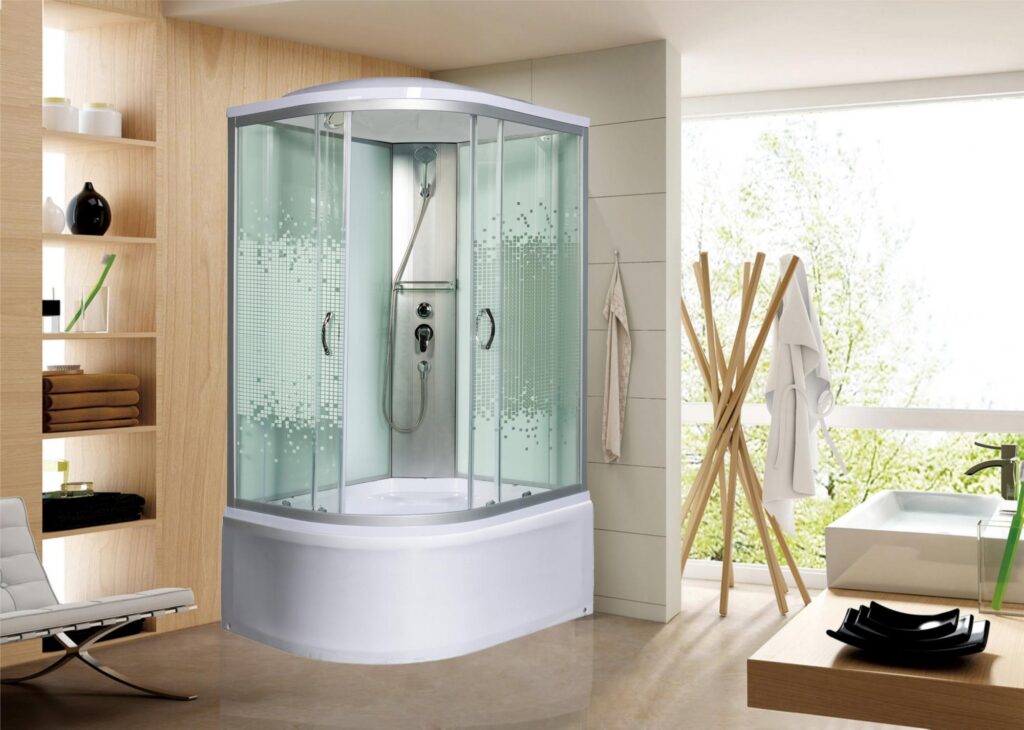
When remodeling a small bathroom, one of the biggest decisions homeowners face is choosing between a shower and a bathtub. While both options have their benefits, the right choice depends on your lifestyle, space limitations, and long-term goals. In this article, we’ll compare showers and bathtubs for compact spaces, covering functionality, design flexibility, resale value, and maintenance. By the end, you’ll know which solution best fits your needs — and how to make the most of your layout. Space Efficiency: Showers Win for Small Bathrooms If your bathroom is under 50 square feet, a walk-in shower can save you significant floor space. Corner or linear showers with glass doors make the room feel more open, while a bathtub generally requires 5 to 6 feet of horizontal wall space. Showers can also be customized with niches, benches, and sliding doors to further maximize usability. Functionality and Comfort Shower Advantages Quick and convenient for daily use Accessible for seniors and people with mobility issues Lower water consumption Bathtub Advantages Relaxing soak after a long day Helpful for bathing children Some buyers prefer homes with at least one tub Design and Aesthetic Options Modern showers offer endless customization: glass enclosures, rain heads, stone tile, LED lighting, and more. For ultra-compact spaces, even a curbless shower with a linear drain can elevate the look while being easy to maintain. Bathtubs can also be elegant — think freestanding tubs or Japanese-style soaking tubs — but they often demand more square footage. Resale Value: Keep at Least One Tub If Possible In family homes, especially those with 2+ bathrooms, real estate agents often advise keeping at least one tub. However, if you’re dealing with a one-bathroom layout or your priority is a spacious feel, replacing a bulky tub with a walk-in shower is a smart upgrade. Maintenance and Cleaning Showers are easier to clean and maintain — especially if designed with minimal grout lines and frameless doors. Bathtubs, on the other hand, tend to accumulate soap scum and require more effort to scrub clean. Which One Is Right for You? Here’s a quick summary: Feature Shower Bathtub Space Saving ✓ Excellent ✗ Requires more space Ease of Access ✓ Great for mobility ✗ Harder to get in/out Soaking & Relaxation ✗ Limited ✓ Ideal for baths Child-Friendly ✗ Not ideal ✓ Easier for parents Resale Value ✓ If well-designed ✓ Traditional buyers prefer at least one Need Help Deciding? SkillSee Can Help Whether you’re leaning toward a space-saving shower or a stylish tub, SkillSee’s remodeling experts can help you design, plan, and build the perfect solution for your bathroom. We work with all budgets, offer material selection support, and handle the full remodeling process — from demolition to final polish. Request a Free Estimate Final Thoughts In small bathrooms, every square inch counts. Showers are often the more practical and stylish option, but if your lifestyle demands a bathtub, compact models or combo units can still work well. Whichever route you take, SkillSee is here to help you transform your space with professionalism and precision.

Shower or Bathtub: What’s Better for a Small Bathroom? Read More »

CALL NOW !!!